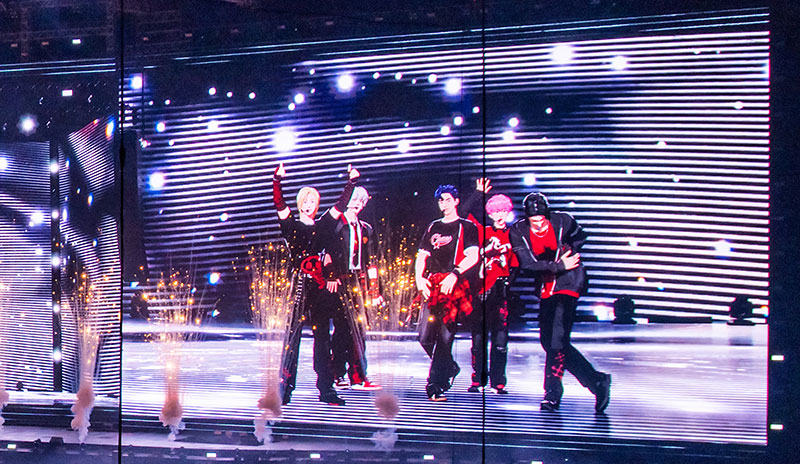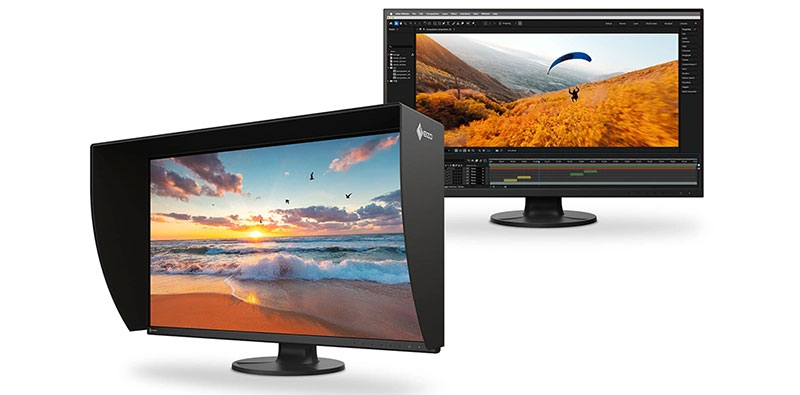



Nuke Stage allows real-time hardware-agnostic playback of photoreal elements onto LED walls, recording metadata to use in post. It now supports the NotchLC codec and Gaussian Splats.
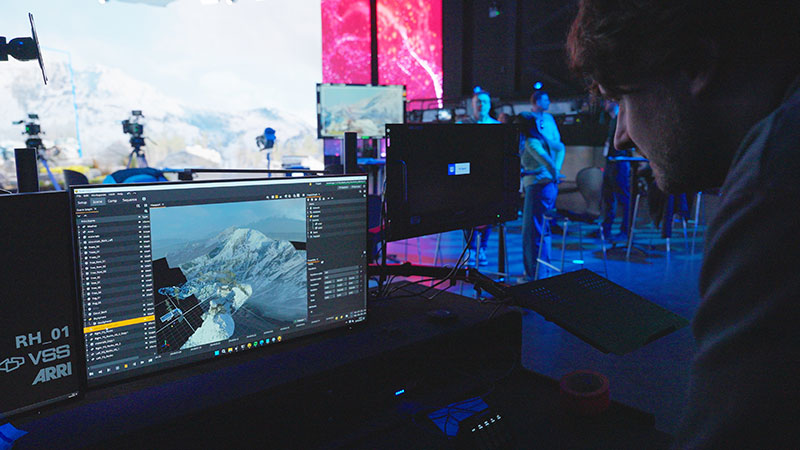
Development of Foundry's Nuke Stage has continued over the past year to serve as a dedicated application for virtual production and in-camera visual effects (ICVFX). Updates are largely responses to the initial experiences of teams working with Nuke Stage in productions.
Nuke Stage allows real-time playback of photoreal environments onto LED walls. It is hardware-agnostic and includes metadata tracking so that creative decisions made on set are recorded. Among the new capabilities are support for NotchLC playback and Gaussian Splat rendering.
Working Natively with USD
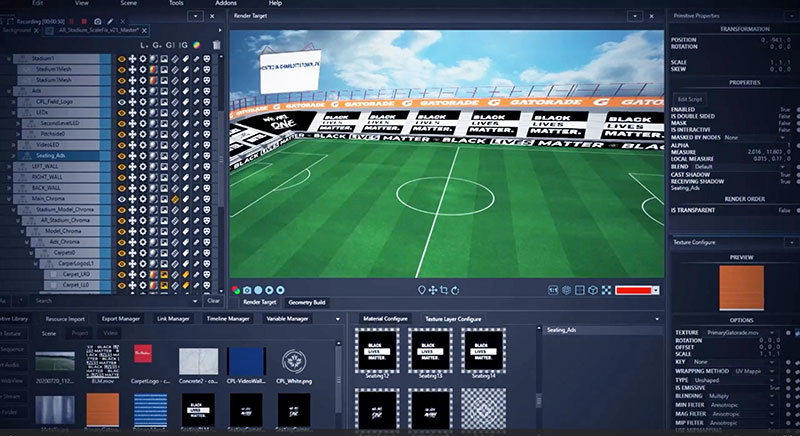
New functionality is aligned with the updates in the recent Nuke 17.0 release, Nuke Stage takes advantage of the new 3D workflows in Nuke, for instance, allowing artists to work natively with USD in both tools. Artists can create assets in Nuke and import the USD scenes into Nuke Stage, giving them full control to edit and override in real time. Adding this extra flexibility in production means creative decisions can be made earlier and more quickly.
"Our goal with Nuke Stage has been to remove the barriers between on-set production and post-production to make it easier to refine assets across stages of production, rather than waiting or starting over. The engagement from studios since the initial launch has been guiding the ongoing development of Nuke Stage and the wider Nuke family, creating a more iterative and interconnected pipeline," said Christy Anzelmo, Chief Product Officer.
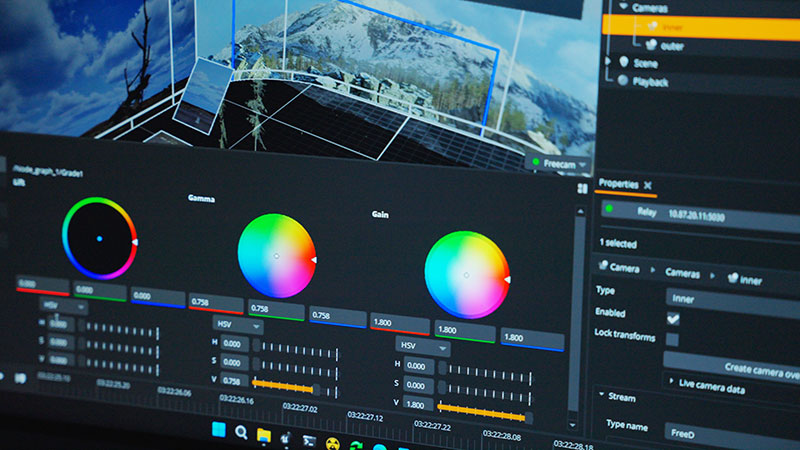
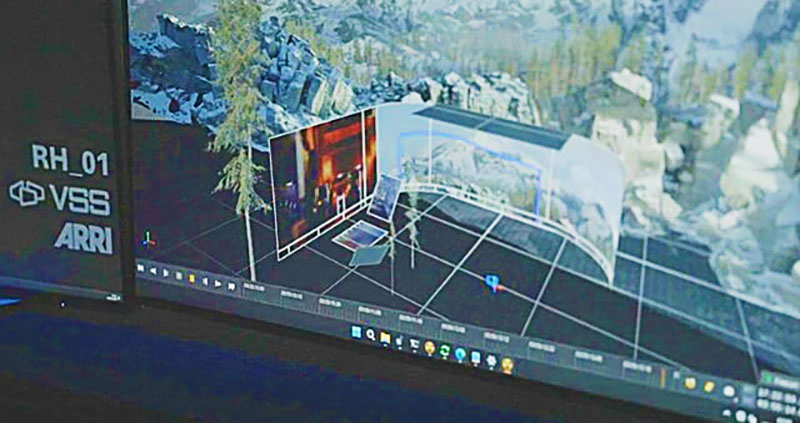
Artists can work natively with USD, as in Nuke.
Live Metadata Capture and Standard Hardware
Among Nuke Stage’s main features is live metadata capture, supporting data continuity throughout the pipeline. Creative decisions made on-set are recorded automatically and preserved in the software’s metadata Vault, making sure that post starts exactly where set operations left off and avoiding re-shoots or rework. Details may include scene data, camera tracking, lens metadata, timecode, scene settings and colour decisions.
Another key principle of Nuke Stage is the ability to run on standard hardware, removing the need for proprietary infrastructure or specialised expertise. A single machine can drive multiple LED wall sections while remaining fully genlocked, reducing the total number of nodes needed on set and helping to control costs. With shorter setup times and repeatable processes, users can focus on their story.
Developed as a part of the production pipeline, VFX artists can use Nuke Stage to create, refine and deliver content that transitions directly from pre-production through real-time iteration on set and into post. Core features include using a common colour management system, support for open file formats like OpenUSD, OpenEXR and OpenColorIO, and a Node Graph-based compositing environment in line with the familiar workflows and interface of Foundry Nuke.
What’s New – Sequencer Updates, NotchLC Codec, Gaussian Splats
This most recent version includes improvements to the sequencer and interpolating between keyframes in one click, helping virtual production operators to build the story they want to tell faster, and respond iteratively to creative requests on-set.
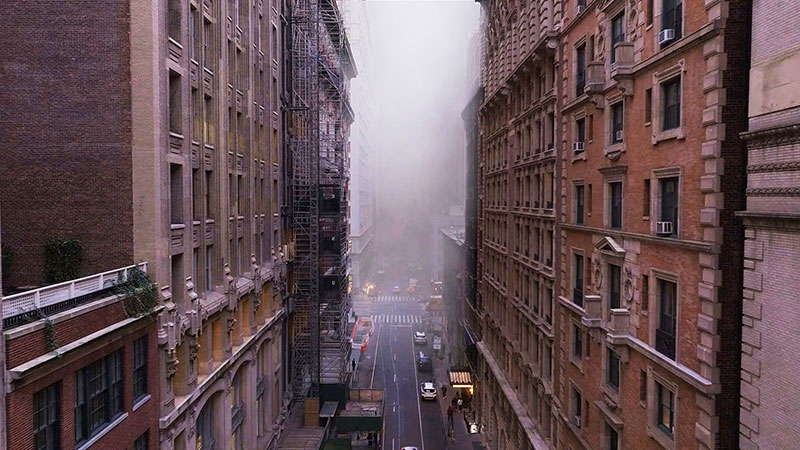
Also important is new support for the proprietary NotchLC codec, a GPU powered codec suitable to use for both intermediate and playback applications. Its playback capabilities can run high-resolution, high-fidelity environments on LED walls efficiently.
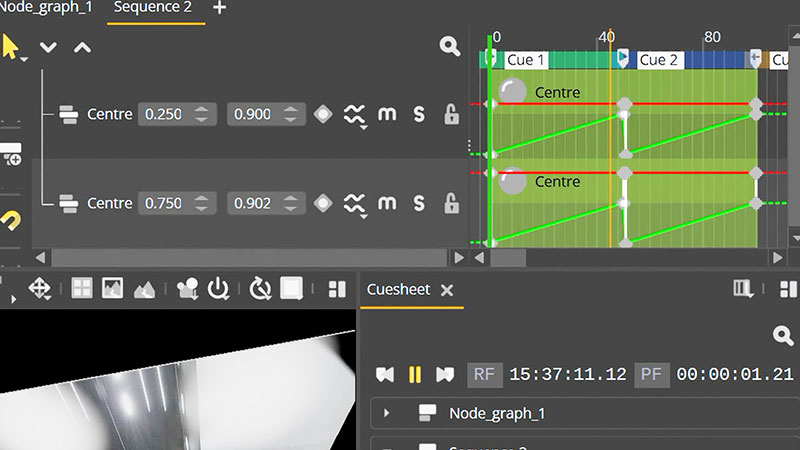
Updated sequencer
With the equivalent of 10bit accuracy and a compression ratio of about 5:1, it allows users to scrub through video and is extremely fast to encode and decode. Also, studios can generate, prepare and validate NotchLC media directly within existing Nuke workflows across Windows and Linux.
Native integration with and support for 3D Gaussian Splats volume rendering makes it possible to integrate captured content more easily and effectively deploy it as a photorealistic virtual environment on LED walls.
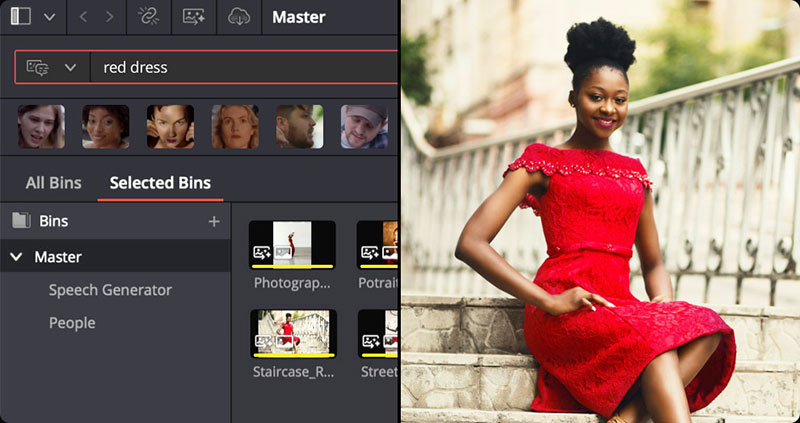
A new Media Gallery simplifies show programming and Feed Mapping functionality gives greater control of the content on screen. Python capabilities are also expanded. External devices can hook into Nuke Stage, allowing on-set control to be handed to the relevant production teams.
Finally, Nuke Stage’s universal design language means everyone, from compositors to media server operators, is able to work efficiently together in Nuke Stage in a live production environment.
Christopher Simcock is Founding Director of Sensel Studio, which specialises in live events, immersive experiences and virtual production. "Nuke Stage is exciting because it's a product designed from the ground up for virtual production,” he said. “It takes the best of what we see in plates, which is fidelity and high quality playback, as well as a degree of flexibility that we see with game engines, and puts them together into one package.” With this combination, he said he can set up scenes in half the usual time. www.foundry.com